All posts by jackandfriends

Pin-Up Girl Signs

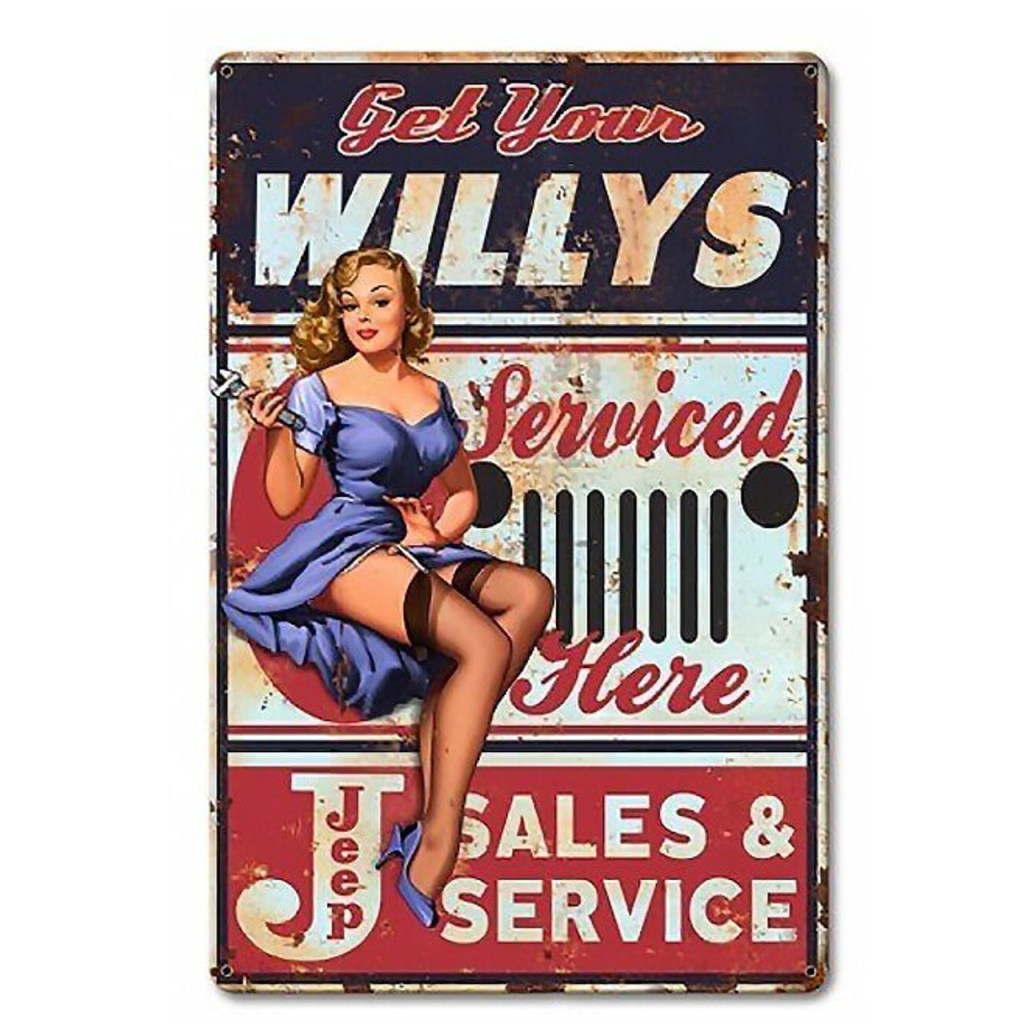
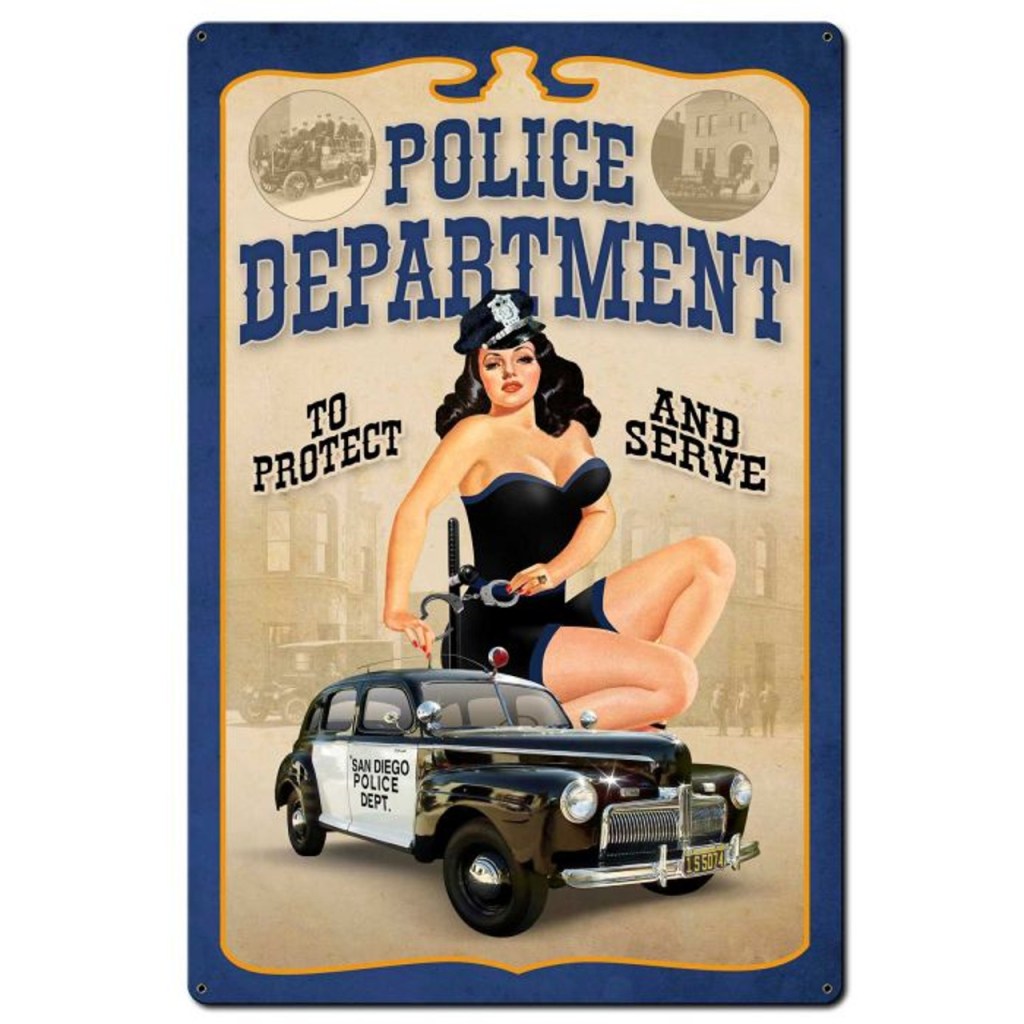
Pinup girl signs, also known as “cheesecake” signs, were a popular form of advertising during the mid-20th century. These signs featured attractive and often scantily-clad women in poses that were meant to be both alluring and attention-grabbing. They were often used to advertise products like beer, cigarettes, and gasoline, and could be found on billboards, in magazines, and on the sides of buildings.

Pinup girl signs were a reflection of the cultural values and gender roles of their time. These signs often portrayed women as sexual objects, and were meant to appeal to a male audience. They were also a reflection of the changing social norms of the mid-20th century, as traditional gender roles were challenged and more women entered the workforce.

Despite their popularity, pinup girl signs were not without controversy. Some people saw them as objectifying and demeaning to women, and they were often the target of criticism from feminist groups. Despite this, pinup girl signs remained a popular form of advertising for many years, and continue to be a nostalgicically-remembered part of popular culture.

Today, pinup girl signs are often seen as a vintage and collectible item, and can be found in a variety of forms, including posters, t-shirts, and other merchandise. Despite their controversial history, they continue to be a popular and enduring part of popular culture.

The History of Barber Shops

When you think of barber shops, chances are you think of those blue and red barber poles that swirled outside of old-fashioned shops in your town that invited men in to get a haircut, a grooming service and friendly conversation. Barbering goes back not only decades to those classic images–it actually goes back centuries. Barber Shop Metal Sign 14 x 8 Inches

Barbering is a trade that has been undertaken for much longer than you might think–all the way to 5000 BC in Egypt, in fact. The first of many barbering services were completed using sharpened flint and oyster shells. Barbers were highly respected for the way they made men look and the way they helped clean them up. Barbering was something that was significant across many continents with different cultures using shaving as a way to distinguish between different classes of people and their roles in society mostly during times of war.

Barbering evolved in the middle ages, with barbers not only cutting hair and grooming beards but actually being surgeons and dentists as well. It may sound strange, but barbers were believed to be skilled with the blade and were often involved in surgery and bloodletting. Enemas, fire cupping and teeth extraction were also commonly performed by barbers, and those men were called barber-surgeons. They actually received a higher-paying salary than standard surgeons, and they were valuable in war times. They helped soldiers with neck manipulation, draining boils, cleaning scalps and ears, lancing cysts and more.

Retro Barber Shop - Pin-Up Girl Metal Sign 14 x 14 inchesIn the 19th century, barbering took a turn and became a major part of African American business; it ended up aiding the development of the African American economy and culture, and the barbershop was a pretty large cultural center in many Black neighborhoods. Alongside serving the Black community, African American barbers were also known to serve wealthy white people, which helped make it a more mainstream practice. Back then, haircuts only cost around five or ten cents.

Past that, through the 20th century and beyond, barbershops were far more common. People still went to barber shops for haircuts and grooming, but they were also social meeting points. People would sit around and play board games, gossip, talk about their farming business or just chat about recent events. Sometimes they were used as public debate centers or places for citizens to voice their concerns.

Today, barbers have evolved even further. In hair salons, they have special chairs for washing and drying hair, and they serve not just men but also women as well. Barbers and stylists are still known for their typical chatty nature and will talk to you while doing your hair, still keeping up that classic barbershop feel even if there are no longer board games sitting about. Now, there are barber schools for anyone who is interested, as most states now require a barber’s license in order to take on the job.

Though barbershops have gone through quite the change, they have always been important and will continue to be crucial to society with no end in sight.

The History of Halloween

Halloween is a holiday observed annually on October 31st and has become the favorite holiday of many people. Even with as popular as it is, just as many people do not know its origins. Halloween began as an ancient Celtic festival known as Samhain that let participants ward off ghosts by donning costumes and lighting bonfires. Then, it ended up blending with the Catholic All Saints day, and from there, it only continued to evolve. A lot of the traditions such as carving pumpkins, trick or treating, eating sweets and putting on costumes came to be only recently.  Happy Halloween Haunted House Metal Sign

The Celtic festival of Samhain originated around 2,000 years ago when people celebrated their new year on November 1st. This day was the last day of summer and the ensuing harvest, and it was the first day of winter. Winter was associated with the idea of death back then, and they believed that on October 31st, the veil between the worlds of the dead and the living was lifted, which allowed ghosts to come back to Earth.

Besides the harm they thought spirits might do, they also thought that Druids were able to more easily make predictions during this night, a tradition that helped provide advice and comfort to get communities through the winter. They would dress up in animal skins and heads to tell one another’s fortunes.

By 43 AD, most of the Celtic territory had been conquered by the Roman Empire. Traditions of both the Celts and the Romans were brought together, mixing Samhain with All Saints Day traditions. All Saints Day was a time to honor martyrs and saints and was observed as a feast. When the land was conquered, the feast was moved to November 1st, and it sometimes went by the name All-Hallows. This meant that October 31st was known as All-Hallows eve, and sooner or later, Halloween. Trick Or Treat Jack Olantern Metal Sign

Halloween eventually came to America but was mostly limited to only colonial New England due to the Protestant beliefs there. These traditions eventually ended up mixing with Native American traditions as well, which brought out an American version of Halloween. The first traditions included parties that celebrated the harvest, sharing stories of the dead, singing and dancing. During the 19th century when the Irish came over, Halloween became more popular on a national level.

Taking from both English and Irish traditions, Americans ended up going door to door in costume asking for money or food, which would eventually evolve into what we now know as trick or treat. As time went on, Halloween became more of a community and neighborly event where the parties were more focused on people instead of the original traditions. Because of the baby boom during the 1950s, Halloween began to be geared more toward children. Trick or treating involved candies and snacks, and Halloween parties and parades in the community began to become the main features.

Today, Halloween is one of America’s best-loved traditions. Behind Christmas, it is the most commercially successful holiday, with Americans spending roughly $6 billion annually to celebrate it. It may have gone through many transformations to get where it is today, but it has always been a beloved holiday and stays that way to this day.